College is often painted as a bright horizon, a place where young adults spread their wings and chart their futures. For many, the journey is straightforward: major, minor, internship, job. For girls on the autism spectrum, however, the same horizon can feel more like a stormy sea. They face unique hurdles—diagnostic delays, social misreading, sensory overload—that can ripple into academic and social realms. This article unpacks those challenges, offers practical strategies, and reminds readers that the tide can be turned with the right support.
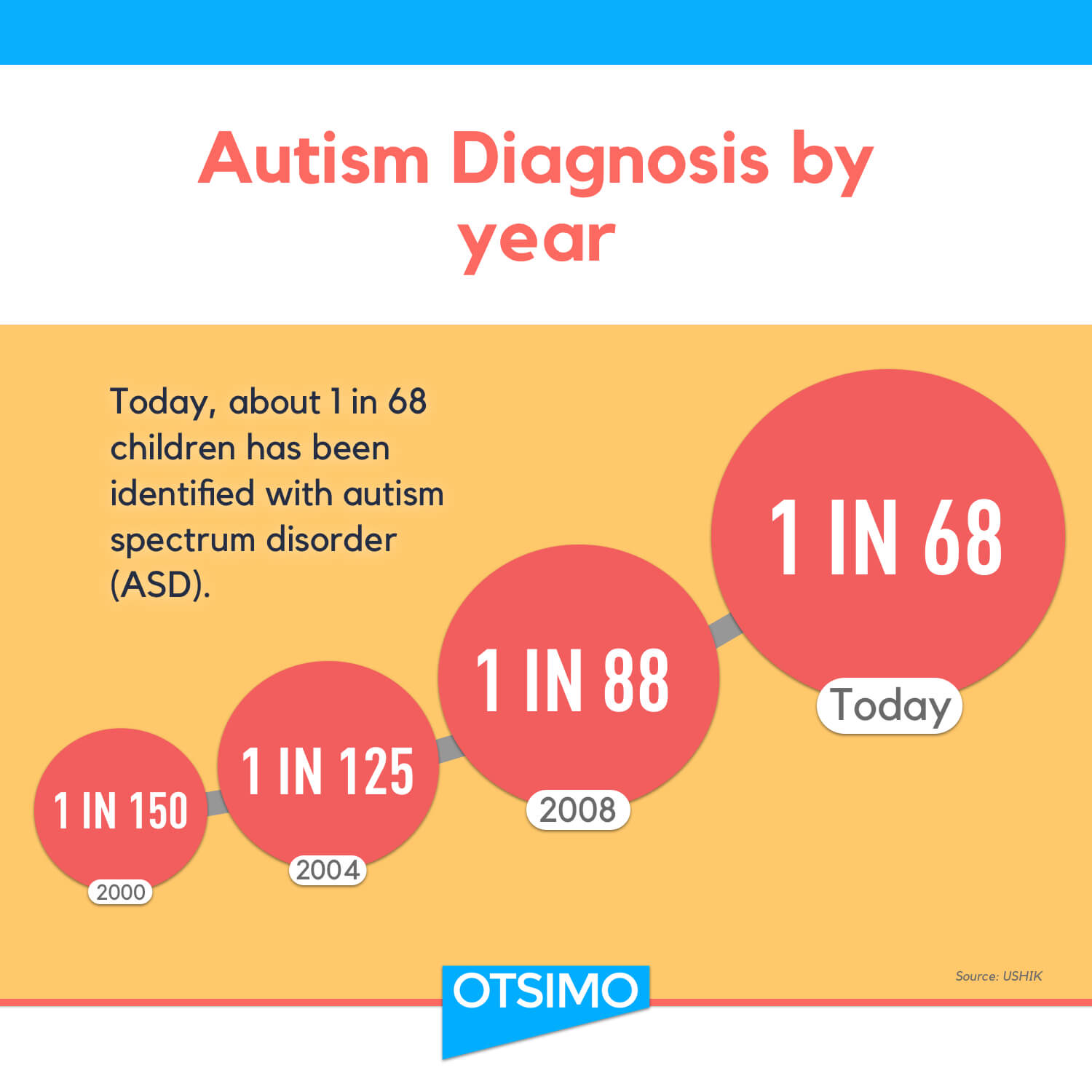
The Hidden Landscape of Autism in Girls
autism in girls signsEarly Signs That Often Go Unnoticed
Unlike many boys who exhibit overt hyperactivity or stereotypic behaviors, girls with autism may display subtler traits—deep focus on niche interests, intense empathy, or a preference for solitary play. These behaviors can be mistaken for shyness or perfectionism, leading to late diagnoses. The result? A missed window for early intervention, which can make later transitions, like college, more daunting.
Societal Expectations and the “Masking” Effect
Girls are socialized to be more communicative and compliant. Consequently, they may mask their difficulties, masking themselves in a way that feels exhausting. This masking can leave them emotionally drained, making the social dynamics of campus life feel like walking a tightrope.
Academic Hurdles: From Lecture Halls to Lab Reports
Adapting Teaching Styles to Diverse Learning Needs
- Visual Aids: Diagrams, color-coded notes, and flowcharts help translate abstract concepts into concrete visuals. Chunking Information: Breaking lectures into bite-sized segments reduces cognitive overload. Interactive Sessions: Group discussions, but with clear guidelines, can boost engagement without overwhelming.
Sensory Sensitivities in the Classroom
Many college environments—bright lights, loud music, crowded lecture halls—can trigger sensory overload. A simple adjustment, such as a noise‑canceling headphone, can transform a chaotic lecture into a focused learning experience.
Rhetorical Question
Have you ever wondered why a student who appears to be struggling academically might actually be battling invisible sensory storms?
Social Dynamics: Making Friends While Staying Grounded
The “Social Script” Challenge
Navigating small talk, group projects, and networking events can feel like deciphering an ancient language. Girls on the spectrum may find themselves stuck in a loop of awkward pauses or misinterpreted sarcasm.
Building a Supportive Circle
- Peer Mentoring Programs: Pairing incoming students with peers who share similar interests or challenges. Special Interest Groups: Joining clubs aligned with one's passions creates natural conversation starters. Counseling Services: Professional support can provide strategies for social interaction and stress management.
Anecdote
Last semester, Maya—an autistic sophomore—shared that she once stayed in the library for two hours because the campus café’s chatter felt like a hurricane. After connecting with a campus support group, she discovered that a quiet study room and a simple “quiet zone” sign could turn the library into her personal oasis. Today, Maya leads a study group that meets in that very space, turning her sanctuary into a community hub.
The Myth of “All Students Are the Same”
A popular quote that resonates with many students is, “We’re all in this together.” While well‑meaning, it glosses over the distinct needs of autistic girls. Recognizing that each student’s journey is unique is the first step toward equitable support.
Strategies for Success: Practical Tools and Mindsets
Time Management Techniques
- Visual Timers: Seeing time flow can reduce anxiety about deadlines. Pomodoro Technique: Short, focused work intervals followed by breaks help maintain concentration. Digital Calendars with Alerts: Reminders for assignments, meetings, and self‑care moments.
Self‑Advocacy Skills
- Know Your Rights: Familiarize yourself with the Americans with Disabilities Act (ADA) and university accommodation policies. Prepare Requests: Draft clear, concise emails outlining specific accommodations needed. Seek Allies: Build relationships with professors who are open to flexible learning strategies.
Metaphor
Think of self‑advocacy as a lighthouse—guiding you through foggy nights of uncertainty toward safe harbor.

The Role of Family and Friends
Understanding and Patience
Friends and family often underestimate the daily battles autistic girls face. A simple conversation about sensory triggers or social fatigue can bridge the empathy gap.
Encouraging Autonomy
- Gradual Responsibility: Encourage small, manageable tasks that build confidence. Celebrate Small Wins: Acknowledge progress, no matter how incremental. Offer Practical Help: From helping draft emails to setting up study schedules.
The Power of Community: From Campus to Beyond
Online Resources and Support Networks
- Autism Spectrum Student Communities: Forums where experiences are shared, and tips are exchanged. Professional Networks: Organizations that specialize in supporting autistic professionals.
College Programs Worth Exploring
- Inclusive Education Initiatives: Some universities offer dedicated programs for neurodiverse students. Career Services with a Twist: Workshops that focus on translating strengths into career skills.
Charting the Path Forward
College is not a one‑size‑fits‑all arena. For girls on the autism spectrum, the journey can be a maze of hidden doors and unexpected detours. Yet, with awareness, strategic planning, and a supportive network, those doors open wider.
- Start Early: Engage with disability services before the semester starts. Build a Toolkit: Combine sensory aids, time‑management apps, and social scripts. Stay Connected: Keep lines of communication open with professors, counselors, and peers.
Remember, the goal isn’t to fit into a pre‑made mold but to carve a path that respects individuality while harnessing the collective strengths of the campus community. If you’re a student navigating these waters, consider reaching out to your university’s disability office today. If you’re a friend or family member, ask how you can best support the journey. Together, we can transform the campus experience from a stormy sea into a voyage filled with discovery and growth.